
Introduction
The field of regenerative medicine has experienced a dramatic shift in recent years, driven by a growing understanding of the complexities of tissue repair and regeneration. Traditional methods often fall short in addressing the unique needs of individual patients, leading to suboptimal outcomes and prolonged recovery times. Says Dr. Ranjan Rajbanshi, one particularly promising avenue of research is 3D bio-printing, a revolutionary technology that allows for the precise creation of complex, three-dimensional biological constructs. This article will explore the burgeoning applications of 3D bio-printing, specifically focusing on its potential to revolutionize the fabrication of custom scaffolds for bone regeneration and the creation of personalized alveolar bone replacements. The implications for patient care are substantial, offering a pathway towards more effective and tailored treatments for a wide range of bone-related conditions.
Creating Customized Scaffolds for Optimal Bone Growth
The cornerstone of successful bone regeneration relies on the creation of a precisely engineered scaffold – a temporary framework that guides the growth of new bone tissue. Traditional scaffolds often lack the intricate architecture necessary to mimic the natural bone environment. 3D bio-printing overcomes this limitation by allowing researchers to deposit living cells and biomaterials layer by layer, precisely controlling the scaffold’s structure and composition. This level of control is critical for promoting cell adhesion, proliferation, and differentiation, ultimately fostering the formation of a robust and functional bone matrix. Different bio-ink formulations, incorporating factors like collagen, hyaluronic acid, and growth factors, can be tailored to specific bone types and injury sites. The ability to print complex geometries, including intricate vascular networks, is a key advantage, enhancing the scaffold’s ability to deliver nutrients and remove waste products, supporting the regenerative process. Preliminary studies have demonstrated the efficacy of 3D printed scaffolds in accelerating bone healing in preclinical models, showcasing the transformative potential of this technology.
Alveolar Bone Regeneration: A Targeted Approach with 3D Bio-Printing
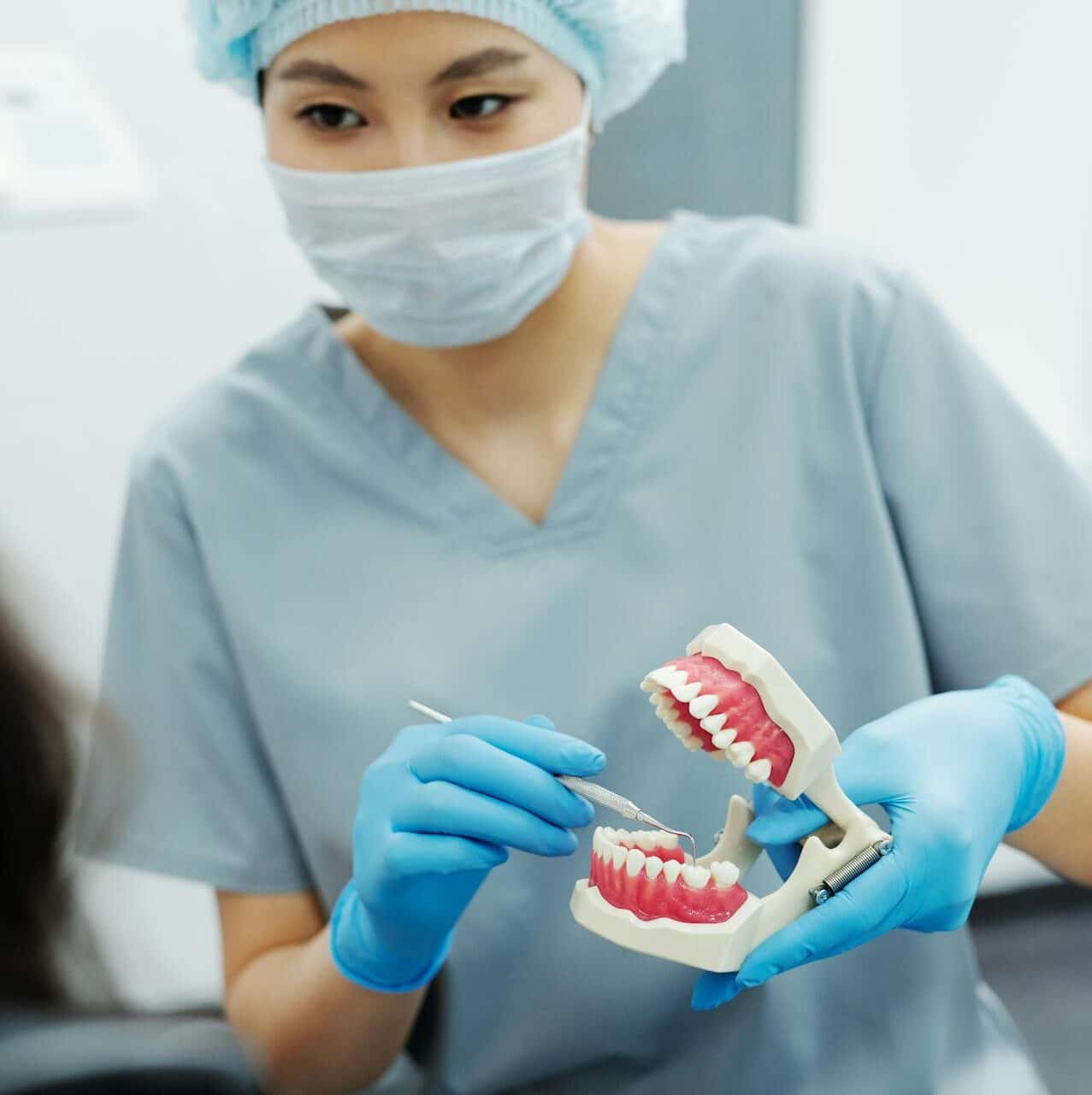
The regeneration of alveolar bone, the bone that supports the teeth, is a particularly challenging area for treatment. Dental implants often fail to integrate properly with the surrounding bone, leading to implant loosening and failure. 3D bio-printing offers a targeted approach to address this issue by creating custom alveolar bone replacements. Researchers are developing bio-inks containing osteogenic cells – cells that actively stimulate bone formation – and bioactive materials that promote bone mineralization. The printing process allows for the precise placement of these components, creating a scaffold that mimics the natural alveolar bone structure. Furthermore, the ability to incorporate micro-channels within the scaffold facilitates the delivery of nutrients and growth factors directly to the site of implantation, enhancing the integration of the replacement with the host bone.
Beyond Scaffolds: Advanced Applications in Bone Tissue Engineering
The applications of 3D bio-printing extend far beyond simple scaffold fabrication. Researchers are exploring its use in creating complex bone tissue engineering constructs for treating a variety of conditions, including fractures, defects, and even chronic bone diseases. The ability to print bone-like structures with precisely controlled mechanical properties is particularly valuable for creating load-bearing implants. Moreover, the potential for incorporating sensors and drug delivery systems within the bio-printed constructs opens up exciting possibilities for personalized medicine, allowing for the monitoring of bone regeneration and the targeted delivery of therapeutic agents.
Conclusion
3D bio-printing represents a paradigm shift in the field of regenerative medicine, offering unprecedented control over tissue architecture and the potential to revolutionize the treatment of bone-related disorders. While still in its early stages of development, the technology holds immense promise for creating customized scaffolds and personalized alveolar bone replacements, ultimately leading to improved patient outcomes and a greater understanding of the complex processes of bone healing. Continued research and development are crucial to realizing the full potential of this transformative technology, paving the way for a future where bone regeneration is a reliable and effective treatment option for millions.
—