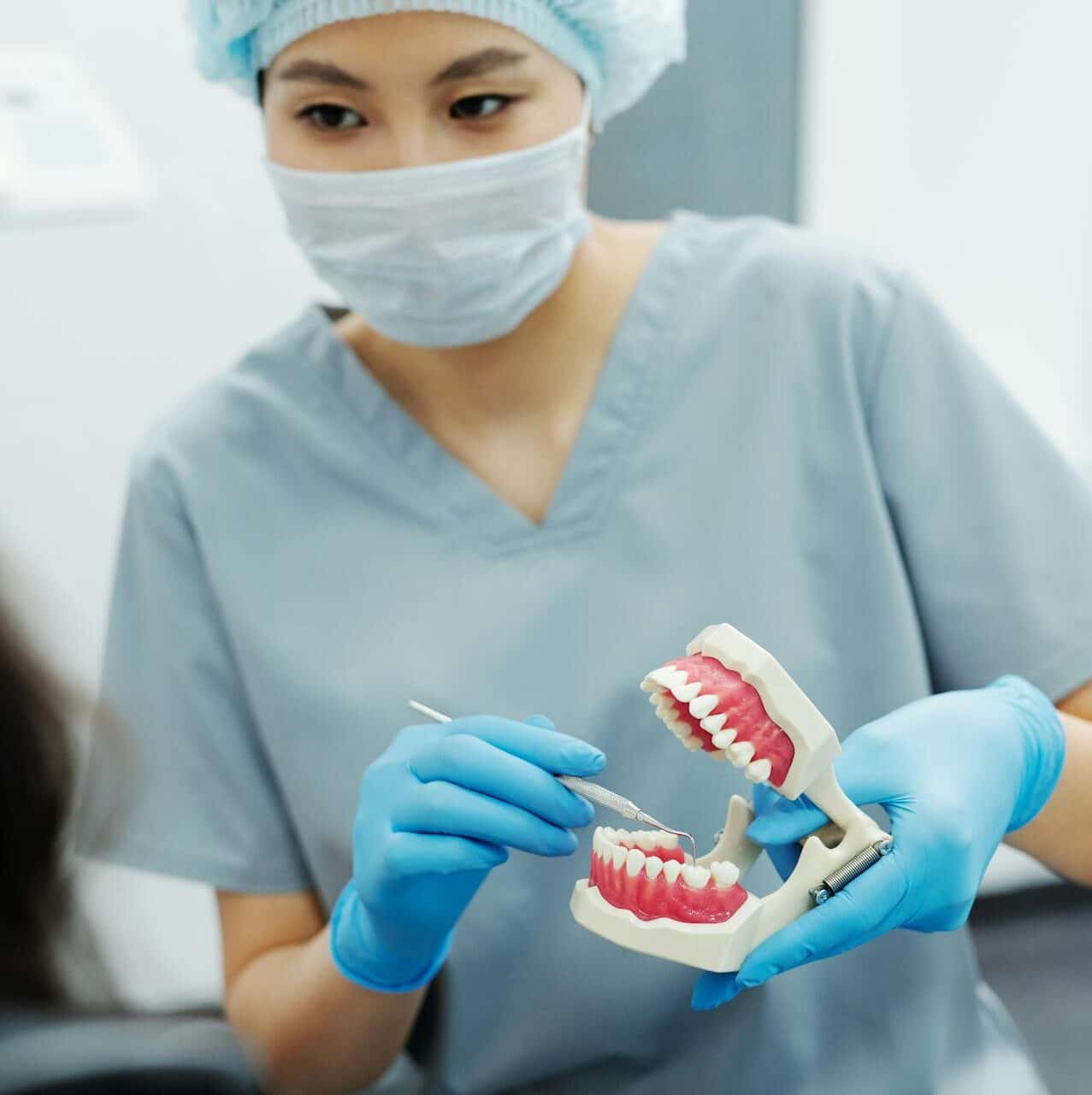

The decision to invest in dental implants is a significant step toward restoring both the functionality and the aesthetic appeal of your smile. As one of the most effective solutions for replacing missing teeth, dental implants are favored for their durability and natural feel. Says Dr. Ranjan Rajbanshi, patients frequently inquire about the longevity of these restorations, often wondering whether they are a permanent fixture or if they require eventual replacement. Understanding the factors that contribute to the lifespan of an implant is essential for anyone considering this restorative dental procedure.
When cared for properly, dental implants are designed to be a long-term, often lifelong, solution. Unlike traditional bridges or dentures that may require adjustment or replacement every few years, implants integrate directly into the jawbone through a process called osseointegration. This biological bond provides a sturdy foundation that mimics the natural tooth root. While the titanium post itself is incredibly durable, the long-term success of the procedure relies heavily on a combination of professional maintenance, diligent oral hygiene, and the patient’s overall health profile.
The Role of Osseointegration in Longevity
The cornerstone of dental implant success is the process of osseointegration, where the titanium or zirconia post fuses with the surrounding jawbone. This biological integration creates a secure anchor that prevents the bone resorption typically associated with tooth loss. Because the implant essentially becomes part of the anatomy, it possesses a stability that synthetic alternatives cannot replicate. If this initial integration is successful, the implant provides a permanent structure that can remain stable for several decades, provided the surrounding tissues remain healthy and the bone density is preserved.
However, the success of osseointegration is not solely dependent on the surgeon’s skill; it also requires a sufficient volume of healthy bone. Factors such as smoking, uncontrolled diabetes, or certain autoimmune conditions can impair the body’s ability to heal and fuse with the implant material. Therefore, a comprehensive assessment by a dental professional is necessary to ensure the patient is a viable candidate. When the healing process is undisturbed and the biological environment is optimal, the structural integrity of the implant post is virtually guaranteed to last for the duration of a patient’s life.
Maintenance of the Implant Crown
While the post remains embedded in the bone, the visible part of the implant—the prosthetic crown—may experience the typical wear and tear of daily use. Much like natural teeth, the crown is subject to the forces of chewing, grinding, and exposure to bacteria. While modern dental ceramics are exceptionally strong and stain-resistant, they are not immune to chipping or mechanical failure over many years. Patients should anticipate that while the post remains permanent, the crown might eventually need a routine replacement to restore its aesthetic appearance or structural surface after fifteen to twenty years of constant use.
Protecting the crown requires a commitment to consistent oral hygiene practices. Brushing twice daily, flossing, and utilizing interdental cleaners are vital to prevent the buildup of plaque around the implant site. If bacteria are allowed to accumulate at the gum line, it can lead to peri-implantitis, an inflammatory condition that can compromise the supporting bone. By maintaining a clean environment around the restoration, patients can significantly extend the lifespan of both the crown and the underlying implant structure, ensuring that the work remains functional and visually pleasing for as long as possible.
Factors Influencing Long-Term Success
Beyond daily cleaning, the long-term viability of dental implants is influenced by systemic lifestyle factors and oral habits. Bruxism, or the chronic grinding and clenching of teeth, can place excessive stress on the implant and the crown, leading to potential fractures or mechanical loosening. In such cases, dentists often recommend the use of a custom night guard to redistribute these forces during sleep. Additionally, tobacco use remains the single greatest external risk factor for implant failure, as it restricts blood flow to the gums and significantly slows the healing process of the peri-implant tissues.
Professional oversight is also a critical component of longevity. Regular biannual dental examinations allow professionals to monitor the health of the gingiva and the structural integrity of the implant. Through the use of diagnostic radiographs, dentists can detect subtle changes in bone density or identify signs of inflammation that might be invisible to the patient. By catching minor issues before they escalate, patients can preserve their implants for a lifetime, reinforcing the idea that dental implants are not merely a one-time treatment, but a long-term commitment to oral health.
Managing Expectations During Recovery
It is important for patients to maintain realistic expectations regarding the recovery and stabilization period following the surgery. Immediately after the procedure, the primary goal is to ensure the site heals without infection, which typically takes several months. During this initial phase, the implant may feel sensitive, and adherence to post-operative instructions—such as avoiding hard foods or refraining from smoking—is paramount. Understanding that the longevity of the implant is tied to this initial healing stage helps patients appreciate the necessity of following their dentist’s guidance during the first few months.
Over the long term, patients should expect that the implant will function just like a natural tooth, but it requires the same level of care. It is not an invincible device; rather, it is a sophisticated medical replacement that demands respect. As long as the patient maintains consistent dental checkups and monitors for any signs of discomfort or shifting, they can expect a high success rate. The predictability of modern implant dentistry is exceptional, and when treated as an integral part of one’s health regimen, it serves as a reliable solution for restoring a complete and functional smile.
Conclusion
In summary, dental implants offer a robust and reliable path for tooth replacement, often lasting a lifetime when properly maintained. By prioritizing excellent oral hygiene, attending regular professional evaluations, and managing external factors like bruxism and smoking, patients can safeguard their investment. While the crown may require minor servicing or replacement after many years of use, the implant post itself provides a permanent foundation that few other dental restorations can match. Ultimately, the longevity of your implant is a collaborative effort between patient dedication and professional dental care, ensuring that your smile remains healthy and functional for decades to come.