Introduction to Ceramic Advancement
The landscape of restorative dentistry has undergone a profound transformation over the last decade, moving away from traditional metal-based solutions toward more biocompatible alternatives. As patients become increasingly health-conscious and attentive to the materials integrated into their bodies, the demand for metal-free dentistry has reached an all-time high. Zirconia, a high-performance ceramic, has emerged as the gold standard in this transition, offering a compelling blend of structural integrity and aesthetic refinement that traditional titanium implants often struggle to match in specific clinical applications.
This evolution is not merely a trend but a fundamental shift in how practitioners approach oral rehabilitation. Says Dr. Ranjan Rajbanshi, by eliminating metallic components, clinicians can address concerns regarding oral galvanism, systemic metal sensitivity, and aesthetic compromises like grey gum discoloration. As we look toward the future of implantology, the maturation of zirconia technology positions it as the primary candidate for achieving long-term functional success while maintaining the highest standards of biological harmony and patient satisfaction.
Unparalleled Biocompatibility and Tissue Health
One of the primary drivers behind the rapid adoption of zirconia implants is their exceptional biological interaction with human soft tissues. Unlike titanium, which can sometimes trigger inflammatory responses or the accumulation of plaque-associated biofilms, zirconia exhibits a low affinity for bacterial colonization. This property significantly reduces the risk of peri-implantitis, a condition that remains one of the most common causes of implant failure. When the gingival tissues are in direct contact with zirconia, they demonstrate a superior healing capacity and attachment, fostering a healthy, natural-looking seal.
Furthermore, the chemical stability of zirconia ensures that no metallic ions are released into the surrounding bone or bloodstream over time. For patients with a history of metal allergies or sensitivities, zirconia provides a safe, hypoallergenic alternative that eliminates the uncertainty of immune reactions. By prioritizing a chemically inert material, dental professionals can ensure that the local environment remains conducive to healthy bone density and long-term integration, effectively safeguarding the longevity of the restorative outcome without compromising the patient’s internal biological balance.
Structural Integrity and Mechanical Performance
Critics of ceramic implants often point to early historical failures as evidence of brittleness, but modern manufacturing techniques have effectively dismantled these misconceptions. Through advancements in yttria-stabilized tetragonal zirconia polycrystal technology, contemporary implants possess remarkable fracture toughness and flexural strength. These materials are engineered to withstand the significant compressive and tensile forces present during mastication, rivaling even the most robust metallic alloys. The evolution of precision milling, such as Computer-Aided Design and Manufacturing, has further refined the physical properties, ensuring structural consistency across the implant architecture.
This mechanical evolution allows zirconia to be utilized not just for anterior aesthetics but for posterior molar replacements where bite forces are most intense. The resilience of these materials has been validated by rigorous longitudinal studies that confirm high survival rates comparable to traditional implants. By successfully bridging the gap between delicate aesthetic ceramic qualities and heavy-duty structural requirements, zirconia has solidified its role as a versatile material capable of performing under the most demanding oral conditions.
Aesthetic Mastery and Light Dynamics
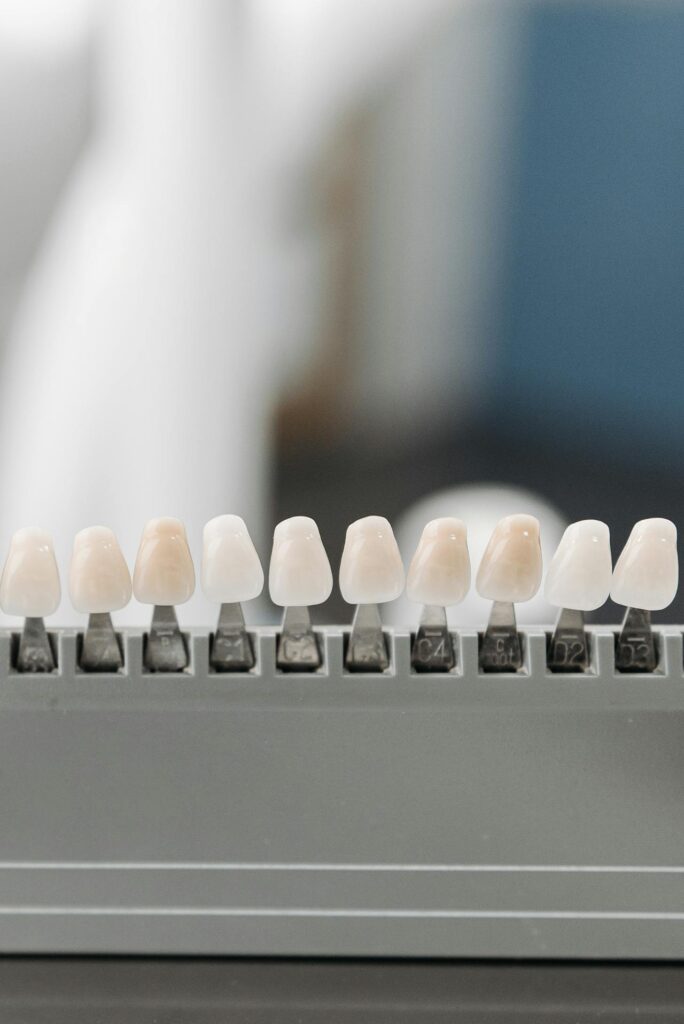
In the realm of modern implantology, aesthetic outcome is as critical as functional success, particularly in the esthetic zone of the mouth. Titanium implants suffer from an inherent opacity that can often result in a dark, grayish hue visible through thin or receding gingival tissue. Zirconia overcomes this challenge by mimicking the natural color and light-translucency of human tooth roots. This optical property creates a warm, natural transition from the gum line to the crown, ensuring that the final restoration is indistinguishable from surrounding natural dentition.
The psychological impact of such aesthetic refinement cannot be overstated, as patients seek restorations that provide confidence and invisibility. Because zirconia does not require the same depth of gingival masking as metal, it allows for more conservative surgical approaches while achieving superior visual results. This alignment of form and function means that patients no longer have to compromise on their smile’s appearance to secure a durable, long-term dental solution, effectively setting a new benchmark for cosmetic excellence in restorative dentistry.
The Path Toward Widespread Integration
As we move forward, the integration of zirconia into standard clinical protocols will likely be supported by continued innovations in surface topography and implant design. Researchers are currently exploring advanced surface modifications that enhance osteoblast adhesion, further accelerating the process of osseointegration. As these technologies become more accessible and cost-effective, their widespread adoption is inevitable, marking a new era where metal-free solutions represent the standard rather than the specialty.
Ultimately, the trajectory of zirconia implants reflects the broader professional movement toward holistic and patient-centered dentistry. By embracing materials that respect the biological complexity of the oral environment while providing unparalleled durability and beauty, the dental industry is ensuring a more sustainable future for patient care. As clinicians continue to refine these techniques and materials, the promise of zirconia will continue to unfold, offering a bright, metal-free horizon for the next generation of implant patients.